
A Walking Tour Through St. Augustine’s Forgotten History
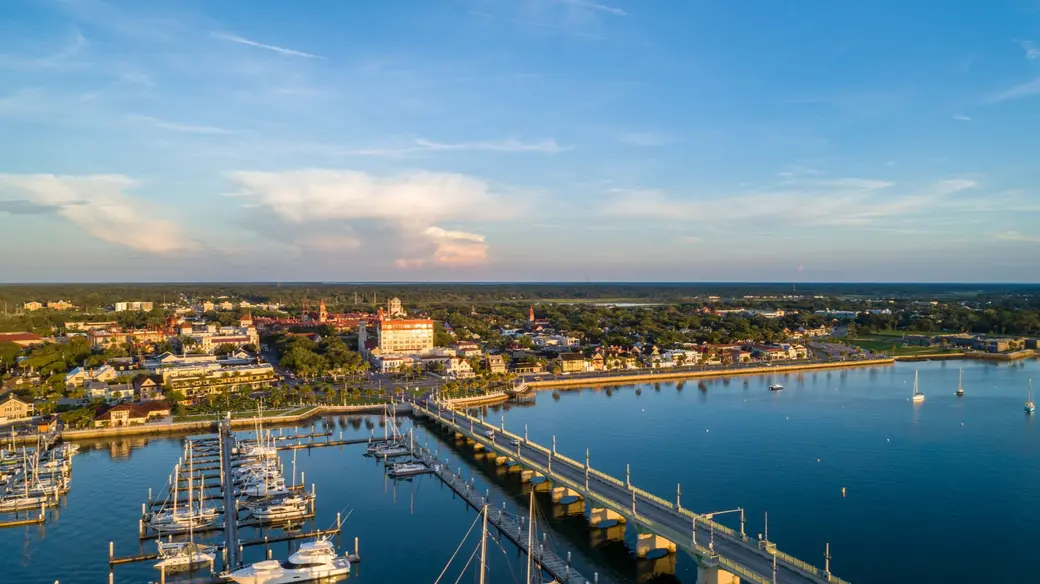
St. Augustine, Florida, holds the title of America's oldest continuously inhabited city, but beyond the popular tourist sites like the Castillo de San Marcos and St. George Street lies a forgotten history waiting to be discovered. Lace up your walking shoes and step into the hidden past of St. Augustine, where the echoes of untold stories still linger along quiet streets, tucked-away alleys, and unassuming landmarks.
In this guide, we’ll take you on a walking tour through St. Augustine’s forgotten history — showcasing places that even many locals miss. Whether you’re a history buff, a curious traveler, or someone simply looking for a different way to experience the city, this tour promises to reveal the layers of a rich and often overlooked past.
Start at the Old Spanish Trail Zero Milestone
Before you dive into the familiar historic district, begin your journey at the Old Spanish Trail Zero Milestone, located near the Plaza de la Constitución. Few visitors realize that St. Augustine was the eastern terminus of the Old Spanish Trail, a 1920s highway stretching all the way to San Diego, California. This small marker symbolizes a grand dream of cross-country travel, connecting two historic cities across the American South.
Tip: Pause to appreciate the significance of St. Augustine as a gateway city, both in colonial times and in the automobile age.
Aviles Street: America’s Oldest Street
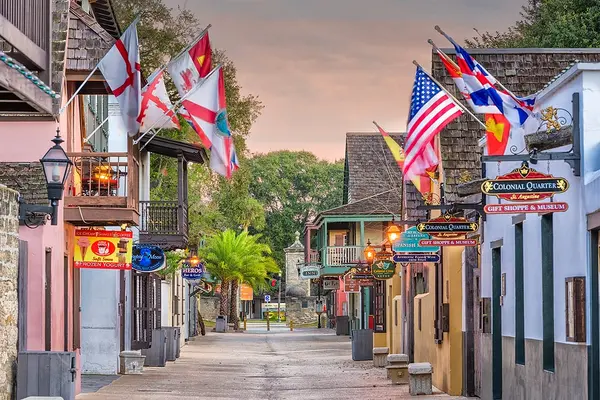
While most visitors gravitate to St. George Street, Aviles Street offers a quieter, more authentic glimpse into St. Augustine’s colonial days. This charming stone-paved road is considered the oldest street in the United States, dating back to the early 1600s. It once served as a residential area for Spanish soldiers and early settlers.
Today, Aviles Street is dotted with small art galleries and cafes, but its colonial architecture and hidden courtyards still whisper stories of a rugged, fledgling town surviving against the odds.
Fun Fact: Many believe the old city jail once operated on Aviles Street during the Spanish period — a stark contrast to its current bohemian vibe.
The Tolomato Cemetery: Resting Place of Lost Souls
Continue your walking tour with a visit to the Tolomato Cemetery, one of the oldest cemeteries in Florida. Hidden behind tall gates on Cordova Street, it is easy to pass by without noticing — but inside lies centuries of history.
Originally the site of a Christian Indian village, Tolomato later became the burial ground for Spanish colonists, freed slaves, and Minorcan settlers. Its worn tombstones and ancient oaks tell the story of a diverse and often turbulent colonial population.
Important: The cemetery is typically closed to the public, but guided tours are available on select days. It's worth planning your visit around these opportunities.
The Peña-Peck House: Stories Behind Closed Doors
Just a few steps from bustling St. George Street is the often-overlooked Peña-Peck House, a stunning coquina structure built in 1750. Originally the residence of a Spanish Royal Treasurer, the house transitioned through British and American hands, bearing silent witness to centuries of change.
Today, the Peña-Peck House serves as a museum, showcasing rare antiques and offering guided walking tours that peel back the layers of colonial, British, and Victorian life in St. Augustine.
Pro Tip: Don’t miss the garden out back — it's a peaceful escape filled with native plants and shaded seating areas.
The Lincolnville Historic District: Legacy of Resilience
No exploration of St. Augustine’s hidden history would be complete without venturing into the Lincolnville Historic District. Founded by freed slaves after the Civil War, Lincolnville became a vibrant neighborhood and a vital center for the Civil Rights Movement in the 1960s.
Wander the quiet streets and admire the historic homes, many built in the late 19th and early 20th centuries. Learn about Lincolnville’s role in hosting leaders like Dr. Martin Luther King, Jr., who marched alongside local activists to bring national attention to racial injustice in the South.
Actionable Tip: Consider taking a guided Lincolnville walking tour to fully understand the neighborhood’s powerful contributions to American history.
Discover the Forgotten Stories of St. Augustine
Walking through St. Augustine’s forgotten history is like stepping through a series of hidden doorways into the past. These overlooked corners, memorials, and neighborhoods tell stories of perseverance, multicultural heritage, and resilience — the true foundations of the nation's oldest city.
Next time you visit, venture beyond the postcard-perfect sights. Experience a walking tour that not only showcases the beauty of St. Augustine, but also honors the depth of its untold history.
Categories
Recent Posts