
The History of St. Augustine’s Beaches: How They’ve Changed Over the Years
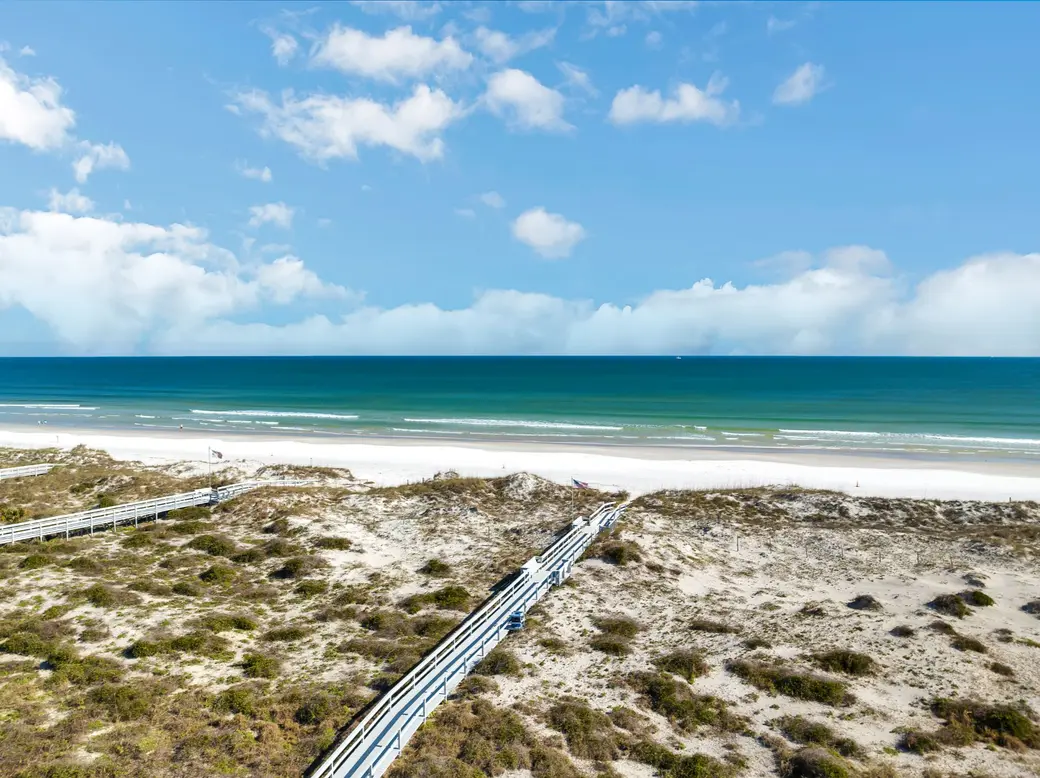
Short and sweet: St. Augustine’s beaches are timeless—but they’ve certainly changed with time.
If you’ve ever dipped your toes into the salty shoreline of Anastasia Island or caught a sunrise at Crescent Beach, you’ve experienced a slice of Florida’s oldest coastline. But have you ever wondered how these beloved beaches have evolved over the centuries? From natural erosion and storm impact to community development and conservation, the history of St. Augustine’s beaches tells a fascinating story of transformation.
A Timeless Coastline with Ancient Roots
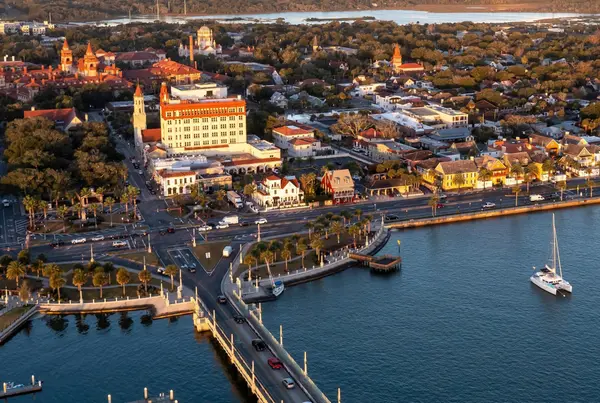
Long before sunscreen and surfboards, the beaches of St. Augustine were home to the Timucua people, who lived off the land and sea. When Pedro Menéndez de Avilés landed here in 1565, he founded the oldest continuously inhabited city in the United States—and unknowingly set the stage for the evolving relationship between land and sea.
These shores weren’t just for sunbathing. They were lifelines—used for fishing, transporting goods, and warding off pirates and invaders. Over time, the beaches began to reflect the cultural shifts, economic tides, and environmental changes happening just beyond the dunes.
Erosion, Hurricanes, and the Changing Shoreline
One of the most dramatic factors shaping St. Augustine’s coastal evolution is erosion. Over the years, the Atlantic Ocean has slowly claimed parts of the shoreline, particularly during active storm seasons. Notable hurricanes—like Dora in 1964 and Matthew in 2016—reshaped the coast, damaging boardwalks, flooding roadways, and redrawing the beachfront in places like Vilano Beach and South Ponte Vedra.
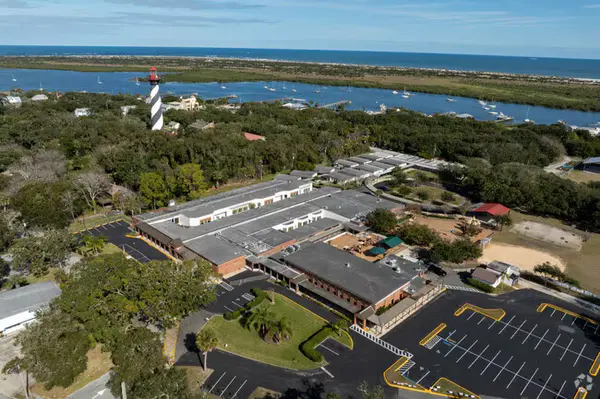
To combat erosion, the city has implemented a number of beach renourishment projects—pumping sand back onto the beaches to protect infrastructure and preserve public access. Anastasia State Park, for example, has seen significant restoration efforts to maintain its natural beauty while defending against storm surge.
Stat to know: Between 2018 and 2022, nearly 2.5 million cubic yards of sand were added to St. Johns County beaches to preserve the coastline.
Development and the Rise of Coastal Living
Starting in the mid-20th century, the rise of vacation culture and residential growth transformed areas like Butler Beach, St. Augustine Beach, and Crescent Beach into sought-after destinations. What were once sleepy stretches of sand became home to oceanfront cottages, condos, and family-run beach motels.
This coastal development brought with it both economic growth and new challenges—particularly around zoning, environmental preservation, and beach access. Homeowners in neighborhoods like Biera Mar, Treasure Beach, and Sea Colony now enjoy the lifestyle benefits of living steps from the ocean—but also face regulations designed to protect the fragile ecosystem.
Mistake to avoid: Don’t assume every beach home is beachfront forever—erosion and permitting laws have real impact. Always check FEMA flood maps and talk to local experts before buying coastal property.
Crescent Beach: Then and Now
Of all the beaches in the area, Crescent Beach may offer the most fascinating example of change. Known for its laid-back vibe, Crescent Beach has kept its old-Florida charm better than most. But it’s still seen major changes—from the paving of A1A in the 1920s to the rise of short-term rentals and the modern-day push for conservation.
Locals will remember when the Matanzas Inlet Bridge was still a drawbridge—and how the flow of the inlet has gradually shifted over time, impacting fishing, boating, and sand migration.
What the Future Holds for St. Augustine’s Beaches
As we look ahead, climate change and sea level rise will continue to shape the future of St. Augustine’s coastline. But so will innovation, community involvement, and sustainable planning. Organizations like the Guana Tolomato Matanzas National Estuarine Research Reserve (GTM NERR) are helping lead efforts to monitor the coastline and educate the public.
For homeowners and beach lovers alike, understanding the history of St. Augustine’s beaches isn’t just about nostalgia—it’s about making informed choices for the future.
Categories
Recent Posts