
St. Augustine Remembers MLK and The Civil Rights Movement
St. Augustine, Florida, holds a unique place in the history of the Civil Rights Movement, particularly due to the significant contributions of Dr. Martin Luther King, Jr. during his time in the city. This blog post explores King's accomplishments in St. Augustine and how the city commemorates his legacy.
MLK's Impact in St. Augustine
As we commemorate National MLK Day this week, it's essential to reflect on the profound impact of Dr. Martin Luther King, Jr. and the Southern Christian Leadership Conference (SCLC) in St. Augustine, a city that played a pivotal role in the Civil Rights Movement.
The 1964 Campaign: A Turning Point in Civil Rights History
In the spring of 1964, St. Augustine was on the cusp of celebrating its 400th anniversary. This historic milestone coincided with a crucial period in the Civil Rights Movement. At the time, the Civil Rights Act was facing a formidable congressional filibuster.
King and the SCLC chose St. Augustine strategically, recognizing its symbolic importance as America's oldest city. St. Augustine mirrored the racial tensions gripping the nation. Its local struggles became emblematic of the broader fight for racial equality across America. The plan was to use St. Augustine as a platform to bring national change for civil rights and garner support for the passage of the Civil Rights Act, but it ultimately became a movement that sought a local transformation. King told SCLC members "St. Augustine, Florida, was a place that could help determine the future of race relations for the whole state of Florida.”
Working with local civil rights leaders, King and the SCLC launched a massive campaign inviting college students and others nationwide to participate in protests throughout the city. King organized peaceful demonstrations, led sit-ins at segregated establishments, endured arrests, and faced violence.
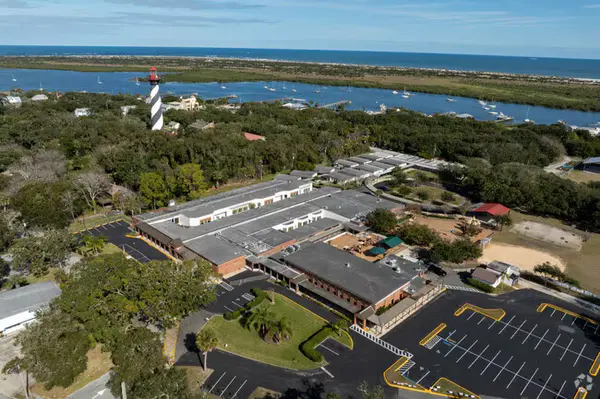
While in St. Augustine, King was shuffled from house to house to maintain his safety. He continued to hold strategy meetings with local civil rights leaders and stir crowds at churches that still exist in St. Augustine to this day. The Lincolnville Museum and Cultural Center, housed in a former Black high school, is based in an area that became home to freed slaves in the 1860s. Part of the museum focuses on the Civil Rights Movement and King, including a fingerprint card from his arrest in St. Augustine.
The St. Augustine movement was instrumental in swaying public opinion and political momentum toward the Civil Rights Act of 1964. The efforts by King and the SCLC in St. Augustine directly influenced the Act’s passage, marking a significant legislative victory in the fight against racial discrimination. Despite the national triumph of the Act; however, St. Augustine's journey towards equality was far from over. Like most of the South, the city continued to grapple with ongoing violence and segregation. Even so, the St. Augustine movement promulgated by King and the SCLC sparked a gradual but undeniable shift towards greater equality in St. Augustine and beyond.
Celebrating MLK Day in St. Augustine
St. Augustine honors Martin Luther King, Jr.'s legacy through various festivities and remembrances on National MLK Day each year. These celebrations not only commemorate King's contributions to the Civil Rights Movement, but also reflect on the ongoing journey towards racial equality and justice.
Educational and Cultural Events
The city hosts a range of events, including educational programs, cultural performances, and discussions that focus on King's impact and the continuing relevance of his message. These events are designed to educate the public, especially younger generations, about the significance of the Civil Rights Movement.
Marches and Parades
Parades and marches are a central part of MLK Day celebrations in St. Augustine. These events symbolically retrace the steps of King and other civil rights activists in our historic city, serving as a powerful reminder of the struggles and triumphs of the Civil Rights Movement.
Community Involvement
Local organizations, schools, and community groups play an active role in MLK Day festivities. These groups organize various activities that encourage community participation and foster a deeper understanding of the civil rights legacy.
Categories
Recent Posts