
The History Behind St. Augustine’s Famous Forts
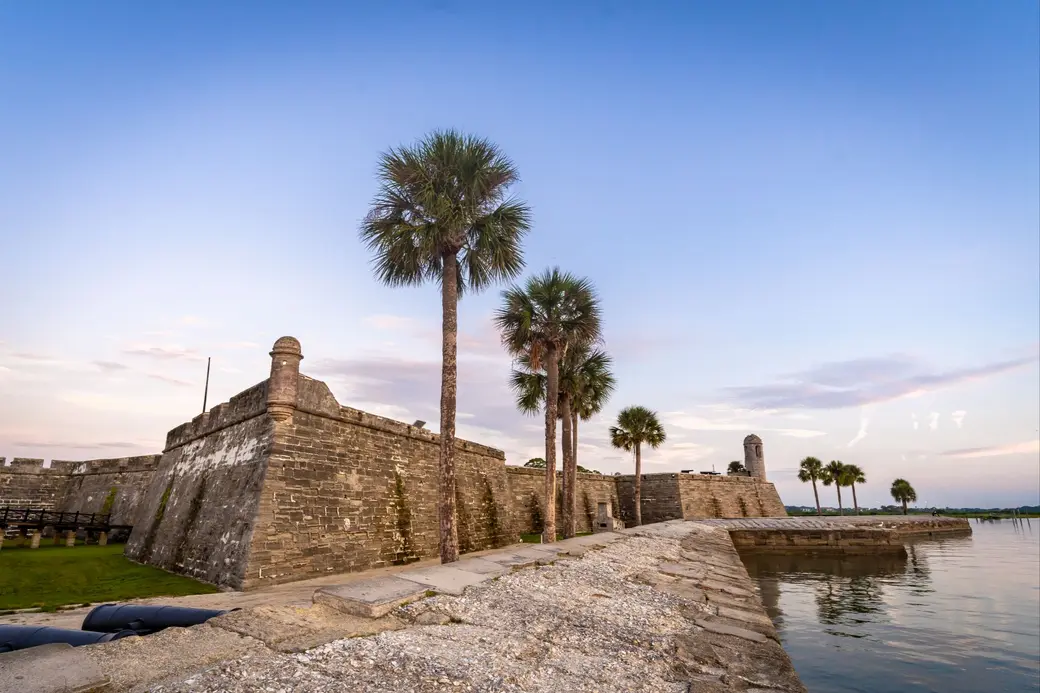
St. Augustine isn’t just the Nation’s Oldest City—it’s a living museum where stone walls still whisper stories of pirates, soldiers, and settlers. At the heart of this history are the city’s three most famous forts: Castillo de San Marcos, Fort Matanzas, and Fort Mose. Together, they tell a tale of survival, strategy, freedom, and resilience that shaped the Florida coast for centuries.
Castillo de San Marcos: The Guardian of the City
When Spanish settlers first built St. Augustine in 1565, wooden forts defended the settlement—but they burned easily, often during pirate attacks. After Sir Francis Drake set the city ablaze in 1586, Spain realized they needed something stronger.
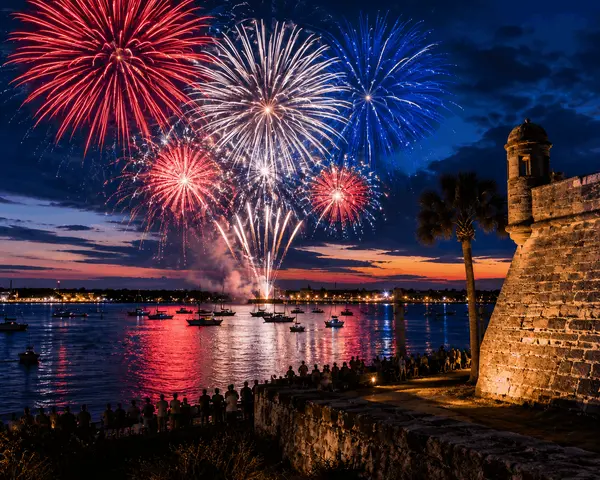
By 1672, construction began on what we now know as Castillo de San Marcos. Built from coquina stone—a porous rock made of compressed seashells—the fortress could absorb cannon fire rather than shatter, making it nearly indestructible.
Inside, soldiers lived in cramped quarters, cooking over open fires and sleeping in hammocks. They endured long, humid summers, constant threats of attack, and the ever-present hope of reinforcements from Spain.
Over the years, the Castillo withstood sieges from the British, changing flags between Spain, Britain, and eventually the United States. Today, it remains the oldest masonry fort in the continental U.S., a testament to the endurance of St. Augustine’s people.
Stat to note: The Castillo has never been taken in battle, despite centuries of conflict.
Fort Matanzas: The Silent Sentinel
About 14 miles south of the Castillo lies Fort Matanzas, built in 1742. Its purpose was simple but vital: protect the southern waterway approach to St. Augustine.
Though much smaller than the Castillo, Fort Matanzas played a critical role. Its cannons prevented enemies from sneaking up the Matanzas Inlet, making it a second line of defense for the city.
The name “Matanzas” means slaughters in Spanish—a reminder of the bloody 1565 event when Spanish forces executed French Huguenots nearby. Today, the fort tells both a defensive and sobering story of the city’s early struggles.
Fort Mose: A Sanctuary of Freedom
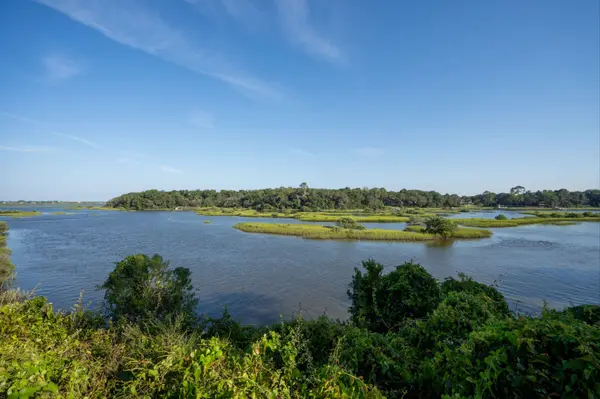
Not all of St. Augustine’s forts were built solely for military defense—some became symbols of hope. Just two miles north of the city, Fort Mose was established in 1738 as the first legally sanctioned free Black settlement in what is now the United States.
Fort Mose offered sanctuary to enslaved Africans who escaped from the British colonies to Spanish Florida. In exchange for freedom, residents converted to Catholicism and pledged loyalty to Spain. The fort became a thriving community of families, farmers, and defenders of the Spanish crown.
When the British attacked in 1740, Fort Mose played a decisive role in repelling them. Though the original fort was later abandoned and reclaimed by marshland, its legacy endures as a powerful reminder of the city’s diverse history and the fight for freedom.
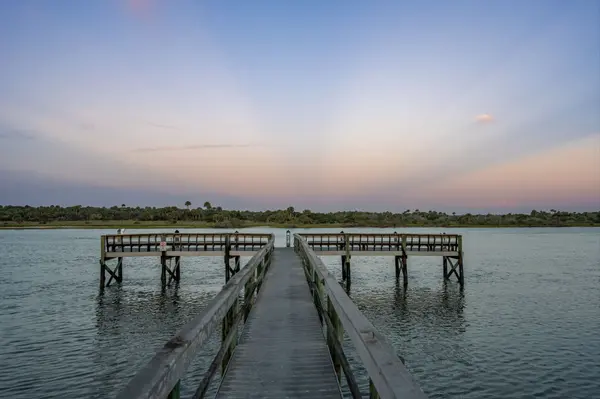
Today, Fort Mose Historic State Park honors this remarkable chapter, offering visitors boardwalk trails, reenactments, and a chance to walk the same ground where freedom first took root.
Preserving the Past
Today, Castillo de San Marcos, Fort Matanzas, and Fort Mose are all protected historic sites. Visitors can walk the ramparts, watch cannon demonstrations, or explore boardwalks through the marshlands. These aren’t just tourist stops—they are living chapters of America’s earliest history.
For those of us lucky enough to live here, these forts aren’t just relics of the past. They represent St. Augustine’s spirit of endurance, diversity, and freedom—qualities that continue to define the community today.
Categories
Recent Posts