
How St. Augustine's Rich History Shapes Modern-Day Living
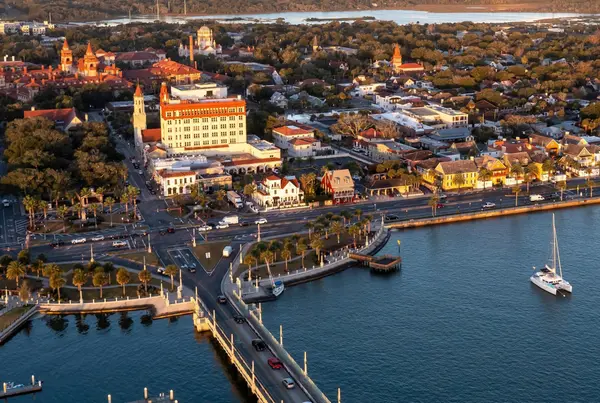
St. Augustine, FL, is more than just a city; it’s a testament to centuries of history. From the design of its streets to its preserved landmarks, the influence of the past can be seen in every corner of modern life. Whether you’ve lived here for years or are considering a move, St. Augustine’s history impacts daily living uniquely and practically.
Preserved Architecture Offers Unique Living Spaces
Living in St. Augustine often means stepping into history. Many neighborhoods feature homes built in the 18th and 19th centuries, offering architectural details such as coquina stone walls and Spanish-style courtyards. These homes reflect the city’s commitment to preserving its heritage.
However, maintaining a historic home comes with responsibilities. Homeowners in designated districts often follow guidelines to protect the character of their properties, ensuring that the history of St. Augustine remains part of its future. Owning one of these homes provides a sense of connection to the past while enjoying modern updates that meet today’s needs.
A City Designed for Walkability
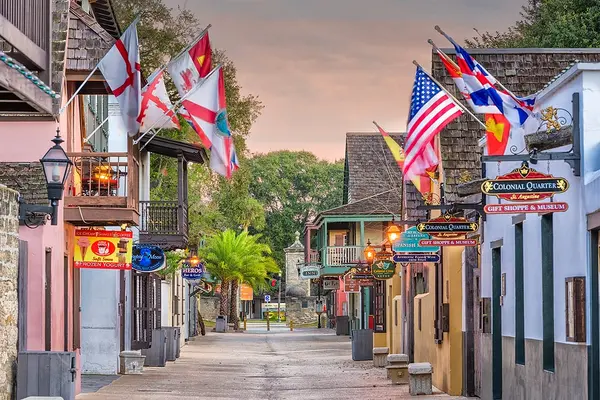
St. Augustine’s historic layout makes it one of Florida’s most accessible cities. The compact downtown area, with its narrow streets and pedestrian-friendly design, directly results from Spanish city planning. Unlike sprawling developments, this design allows residents and visitors to explore on foot or bike.
Daily activities like shopping or dining often double as opportunities to explore the city’s landmarks. Whether walking down St. George Street or visiting the Castillo de San Marcos, history becomes part of everyday life.
Events Rooted in History
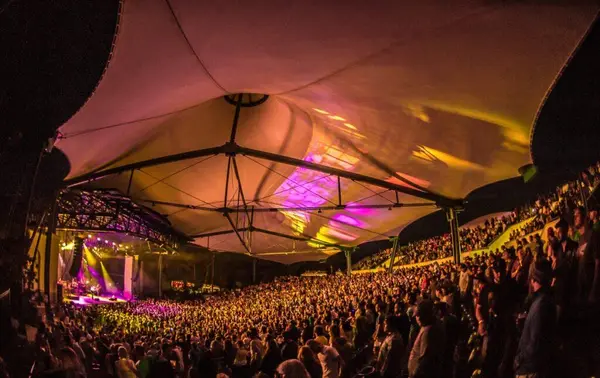
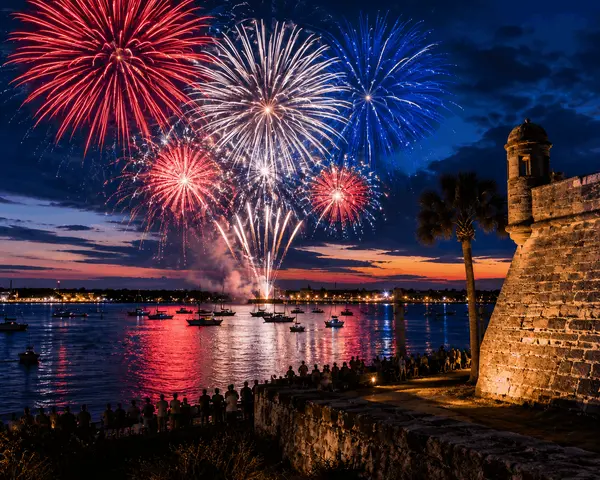
St. Augustine’s historical events and festivals connect the past with the present. The city’s legacy inspires celebrations like the Colonial Night Watch or the St. Augustine Celtic Festival. These gatherings offer more than entertainment; they allow participants to engage with the city’s story.
Residents often take pride in these events, which bring the community together and support local traditions. From attending reenactments to volunteering at festivals, these activities provide meaningful ways to stay involved.
A Culinary Scene with Historical Influence
The city’s food culture is shaped by its heritage. Spanish, Minorcan and Cuban influences are reflected in dishes like Minorcan clam chowder and traditional paella. Restaurants housed in historic buildings, such as the Columbia Restaurant, offer dining experiences that blend historical and culinary significance.
Eating out in St. Augustine isn’t just about the food but the connection to the city’s history. These dining options give locals and visitors a tangible link to the past.
Historic Tourism Fuels the Local Economy
Tourism based on history supports modern businesses and services. St. Augustine’s landmarks attract millions of visitors annually, providing consistent revenue for shops, restaurants, and other local businesses. This economic activity benefits residents by funding infrastructure improvements and creating business opportunities.
For locals, tourism means more than just visitors. It means access to a thriving downtown and various services that enhance daily life.
Conservation Rooted in History
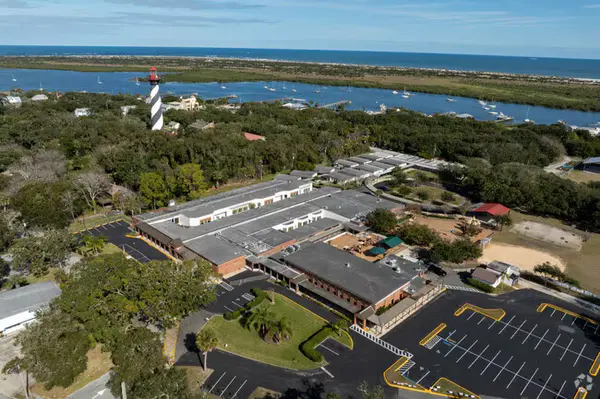
St. Augustine’s natural spaces reflect the city’s long-standing commitment to preservation. Locations like Anastasia State Park and the Guana Tolomato Matanzas Reserve were created to protect the region’s environment while making it accessible.
Modern conservation efforts build on this legacy, allowing residents to enjoy beaches, trails, and protected wildlife areas while maintaining ecological balance.
Strong Community Ties
St. Augustine’s history fosters a sense of connection among its residents. The city’s size and shared cultural experiences create opportunities for people to form meaningful relationships. Local traditions, markets, and festivals bring neighbors together in a way that feels authentic and lasting.
For those considering a move to the area, the community-oriented atmosphere is one of the most practical and rewarding benefits of living in St. Augustine.
Conclusion
St. Augustine’s history isn’t just something you read about; it’s something you live every day. From preserved homes to cultural festivals, the city’s past informs its present, creating a place where people can connect to a larger story while enjoying modern conveniences.
If you’re ready to make St. Augustine your home, I’d love to help you explore your options. Contact me today, and let’s find the right place for you in this historically rich and dynamic city.
Categories
Recent Posts